Oxford Canal Walk
Description
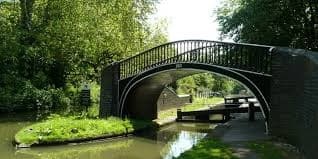
Step out of everyday rush and into a slower rhythm together along the Oxford Canal, beginning just moments from Oxford’s station and city centre. As you join the towpath, the city quietly drops behind you: colleges give way to trees and bridges, and the water becomes the thread you all follow side by side.
Families can keep it simple with a short, city-based wander or stretch things out towards Jericho, the Trap Grounds and Wolvercote, adding snacks, lock-watching and wildlife stops as energy allows. You’ll pass working locks, moored narrowboats that are very often people’s homes, and little pockets of unexpected green that feel surprisingly peaceful so close to the centre.
Because the path is fairly narrow and shared with cyclists, this walk naturally invites small acts of teamwork – walking in a line, holding hands near the edge, calling out “bike behind” and checking on younger walkers. You can join and leave the route from several neighbourhoods (central Oxford, Jericho, Summertown side streets or Wolvercote) and, if you’re up for more, turn it into a mini adventure by looping back via Port Meadow and the Thames Path.
BEBOND Score
🔆🔆🔆🔆🔆
Theme
Age
Approximate location
County Location
Oxfordshire
Facilities
What will your child experience?
BEBOND Score 46 / 60
Your child experiences all six BEBOND dimensions on this walk, simply by moving slowly together through a rich, real-world environment.
BOND - 8 / 10
Walking side by side or hand in hand, chatting about boats, bridges and birds, your child gets that vital feeling of being seen, heard and enjoyed, not just “rushed along” to the next activity. Shared decisions (Where shall we turn? Do we stop at the lock or the wildlife boardwalk?) reinforce that their voice matters.
EXPLORE - 9 / 10
The canal is a living invitation to curiosity: why do locks go up and down; what is a “lift bridge”; who lives on the boats; how does the canal meet the Thames at Isis Lock or Duke’s Cut? Your child investigates textures (brick, water, mud), sounds (trains, ducks, bicycle bells) and history boards, building the habit of asking questions and seeking answers in the real world.
BUILD - 6 / 10
There’s no kit to assemble, but your child is constantly “building” mental maps and problem-solving: following trail signs, counting bridges, working out how long to walk before turning back, or planning a circular route via Wolvercote and the Thames Path. You can invite them to help “design” the walk (Which stop next? How many locks shall we include?), strengthening planning, persistence and confidence.
OBSERVE - 9 / 10
Long, gentle stretches of water invite quiet noticing: ripples, reflections, cloud shapes, reeds moving, the difference between busy city sections and calmer stretches near the Trap Grounds or Port Meadow. Pausing to watch a boat work through a lock, or to read the wildlife board, gives your child everyday practice in mindfulness and reflection without calling it that.
NURTURE - 7 / 10
The route passes a Local Wildlife Site at the Trap Grounds, home to birds, insects and water voles, which gives a natural opening to talk about caring for habitats, leaving no trace and sharing space respectfully with people who live on the residential boats. Looking after each other’s pace, taking turns to walk nearest the water, and offering a hand on steps or rougher sections all model empathy and gentle responsibility.
DREAM - 7 / 10
The mix of boats, old industry, bridges and big skies is fertile ground for imagination: your child can picture life 200 years ago with horse-drawn boats, invent stories about the people on board today, or imagine themselves captaining a narrowboat through Isis Lock. Simple prompts like “If this canal could talk, what stories would it tell?” invite creative, future-oriented thinking woven naturally into the walk.
What's in it for us, the parents?
BEBOND Score 41 / 60
This experience is beneficial not just for your child’s development, but for your own restoration and sense of togetherness.
BOND - 8 / 10
A slow, linear walk removes many of the usual distractions, making it easier to truly listen, swap stories, or simply share companionable silence while you walk the same path at the same pace. You’re not “on the sidelines” watching; you’re in it together, which research shows is emotionally restorative for adults as well as children.
EXPLORE - 7 / 10
Co-discovering heritage panels, canal engineering and wildlife gives you genuine novelty and learning - small but meaningful boosts to your own curiosity and cognitive reserve. Saying “I don’t know, let’s figure it out together” at a lock or bridge turns your child’s questions into mini brain-workouts for you as well.
BUILD - 5 / 10
Planning the route, navigating access points (Hythe Bridge, Jericho, Frenchay Road, Wolvercote), timing trains or buses, and adjusting for everyone’s energy levels all tap into your executive skills in a constructive, low-stakes way. Many parents find that this kind of gentle, goal-directed activity - with a clear start, middle and end - feels far more satisfying than another afternoon of fragmented multitasking.
OBSERVE - 8 / 10
The rhythm of walking by water acts like an everyday mindfulness practice: your attention is pulled outward to light on water, birds, and boats instead of emails and to-do lists. Even brief moments of simply standing at Isis Lock or Wolvercote Lock, watching water rise and fall, can create the mental “pause” that reduces rumination and stress.
NURTURE - 7 / 10
Supporting your child on a shared physical journey - slowing your pace, offering snacks, encouraging tired legs, talking about caring for wildlife and respecting boaters’ homes - lets you inhabit a warm, caregiving role that is linked to better adult wellbeing and a stronger sense of purpose. There is also room to practise self-kindness: choosing a realistic distance, taking breaks at pubs or cafés, and naming your own limits without guilt.
DREAM - 6 / 10
Walking beside a historic waterway that once carried coal and goods now turned into a green corridor for leisure can gently widen your perspective on your own life and hopes. As your child imagines boats and stories, you may find yourself reconnecting with your own creativity - planning future family adventures, or simply enjoying the rare feeling of unhurried time outdoors together.