Art and Design - 10-weeks art course for Young People aged 11-14
Description
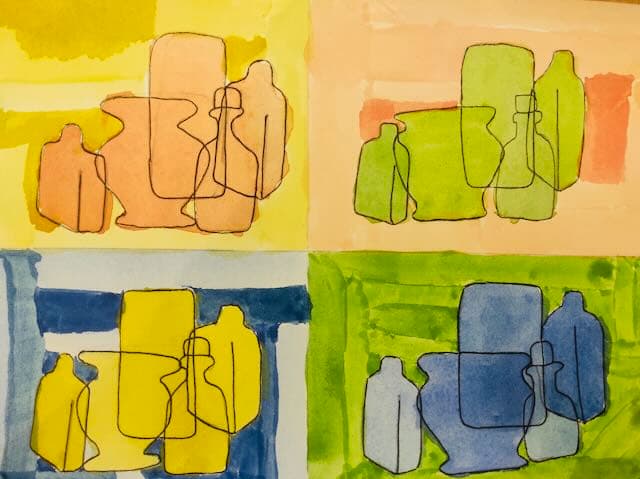
This course is designed for young people eager to delve deeper into art and creativity. It encompasses experimentation across various media, extending beyond painting and drawing to include printmaking and three-dimensional work. Classes include some historical and theoretical content.
This is a 10-weeks course, starting Monday 13th April 2026.
The course takes place every week, until Monday 29th June 2026
The course bridges the gap between playful children’s art and more grown‑up creative study, tailored for 11–14‑year‑olds. Students explore drawing, painting and mixed media in more depth than in younger groups, while still enjoying varied, enjoyable projects. The result is a space where early adolescents can experiment, take creative risks and develop skills without school‑exam pressures.
Nested in picturesque Sunningwell, the Sunningwell School of Art is a real art studio giving students the opportunity to experiment with diverse set of media.
BEBOND Score
🌱 5/6
Age
Theme
County Location
Oxfordshire
Access
Booking Required
Approximate location
Select Date & Time
Select a date to see available time slots
What will your child experience?
BEBOND Overall Score - 46 / 60
Your teenager will step into a “real” art environment where they are treated like emerging young artists, not children, and where practice, experimentation and thoughtful critique are part of the weekly rhythm. Over time they gain both technique and the self‑belief to say, “Yes, I am creative – and I know how to show it.”
Bond - 7 / 10
Your teen is immersed in a respectful, adult‑like relationships with tutors and peers which helps them feel recognised and taken seriously. Group discussions around work foster a sense of studio community and mutual support.
Explore - 8 / 10
Exposure to different media, art movements and design problems pushes your child beyond familiar school projects. Open‑ended briefs let them investigate their own interests, from illustration to graphic design to fine art.
Build - 8 / 10
Your teens will learn to develop ideas over time, plan compositions, iterate and refine – powerful executive‑function practice. Building a mini‑portfolio gives them tangible evidence of progress and persistence.
Observe - 8 / 10
Strong emphasis on drawing from observation trains careful looking and patience. Critique and self‑review moments invite your child to think about process, choices and next steps.
Nurture - 7 / 10
Thoughtful feedback and a non‑competitive atmosphere supports the fragile creative confidence in adolescence. The class gives teens a protected space to process feelings through imagery rather than only words.
Dream - 8 / 10
In this clas teens can experiment with styles and themes that reflect their identity, values and hopes for the future. The course can spark longer‑term ambitions, from creative hobbies to potential study or career paths. More importantly, this creative journey gives a solid base to unleash the sense of possibility.
What's in it for us, the parents?
BEBOND Overall Score - 40 / 60
We get structured, screen‑free time where our teens are working hard at something that feels meaningful to them, plus a clearer window into their emerging inner world through the work they bring home. It becomes easier to talk about big topics – identity, pressure, the future – through the safer doorway of “Tell me about this piece.”
Bond - 6 / 10
Artwork functions as a safe “third thing” for us to talk about together when direct questions feel too intense for teens. Regular classes create shared milestones - first portfolio review, a piece they are proud of - those are things we can celebrate together.
Explore - 7 / 10
We gain insight into art and design education, which can inform choices around GCSEs, A‑levels, or enrichment activities. Museum visits, design blogs, or shows become more engaging when tied to what our teen is learning. Being guided into their creative world - exploring side by side feeds our own curiosity.
Build - 6 / 10
Watching our teenagers manage projects over weeks can guide how we support them with revision and long‑term goals.
We may co‑create simple systems at home (folders, wall space, time blocks) that strengthen family organisation.
Observe - 7 / 10
We can quietly track changes in their motivation, resilience, and self‑talk by how they speak about difficult pieces.
End‑of‑term work offers chances for us to notice and name growth, which strengthens our own reflective parenting.
Nurture - 7 / 10
Knowing our teenager has a non‑academic arena where effort, not grades, is valued can ease performance pressure for everyone in our family. Offering thoughtful interest in their work (rather than only outcomes) models the kind of compassion we hope they show themselves.
Dream - 7 / 10
Their developing portfolio can prompt hopeful conversations about future pathways, from creative side‑projects to formal study. Seeing them absorbed in something they love can expand our own sense of what a “successful” adolescence can look like.