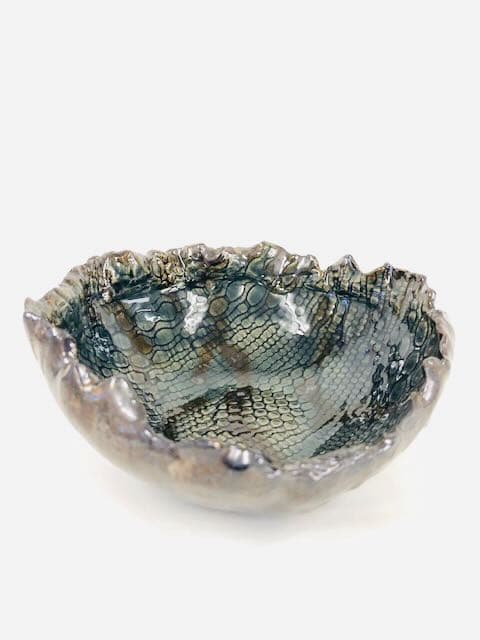
Pottery - 10-weeks pottery course for Young People aged 11 to 16
Description
Currently fully booked - message us to join the waiting list!
This dedicated pottery course invites 11–16‑year‑olds into the school’s ceramics studio to learn hand‑building, modelling and throwing on the wheel as they become more skilled.
This is a 10-weeks course, starting Tuesday 14th April 2026.
The course runs every term-week until Tuesday 23rd June 2026
Working with real clay, glazes and a professional kiln, they move from simple forms to more ambitious pieces over the term. The tactile, absorbing nature of clay makes this an ideal class for teens who like to make things with their hands or who benefit from a calming, screen‑free focus.
Nested in picturesque Sunningwell, the Sunningwell School of Art is a real art studio, equipped with throwing wheels and pottery kilns. Creativity is literally in the air—with every spin possibilities are born.
BEBOND Score
🌱 5/6
Age
Theme
County Location
Oxfordshire
Access
Booking Required
Approximate location
No dates currently available
What will your child experience?
BEBOND Overall Score 48 / 60
Your young teen spends time in a fully equipped pottery studio, turning lumps of clay into bowls, figures and experimental forms, with expert help at every stage. The mix of sensory immersion and visible progress can be deeply grounding and satisfying, especially in a busy school week.
Bond - 7 / 10
Shared studio rhythms - preparing clay, cleaning tools, celebrating kiln openings - foster a sense of group belonging. Tutors often offer one‑to‑one guidance at the wheel, which can feel like personalised artistic mentoring.
Explore - 8 / 10
Your child will try pinch, coil, slab and wheel‑throwing methods, plus glazing and surface decoration, discovering what they enjoy most. Experimenting with form and function invites questions about design, usability and aesthetics.
Build - 9 / 10
Pottery requires planning, structural thinking and patience across multiple stages - forming, drying, firing, glazing. Over time, your teen will build real technical competence and a tangible collection of finished pieces.
Observe - 8 / 10
Working successfully with clay demands attention to thickness, moisture and timing, sharpening practical observation. Reflecting on what cracked or warped and why and then how to fix it or use it builds metacognitive skills.
Nurture - 8 / 10
The inevitability of occasional breakages teaches resilience and self‑compassion in a concrete, embodied way. Many projects can be made as gifts, giving teens a chance to create for and think about others - family or friends.
Dream - 8 / 10
Clay invites imaginative forms – creatures, symbols, fantasy objects – that embody personal stories and interests. Seeing raw clay become something functional and/or beautiful can expand your child’s sense of their own agency and future possibilities.
What's in it for us, the parents?
BEBOND Overall Score 39 / 60
We, parents, gain a consistent block of time while our teenagers are immersed in a deeply absorbing, offline craft, and we get to share in the quiet pride of mugs, bowls and sculptures gradually appearing at home. The course opens up new topics of conversation – from design and sustainability to patience and failure – without feeling like a lecture.
Bond - 6 / 10
Inviting our teen to teach us a clay technique at home (even with air‑dry clay) can flip roles and create playful connection for us.Displaying and using their pottery communicates our appreciation in a non‑verbal but very powerful way.
Explore - 6 / 10
We may find ourselves noticing ceramics in daily life – in shops, museums, cafes – and pointing these out together. The class can open interest in craft fairs, maker markets, or studio tours as family outings for all of us.
Build - 6 / 10
Watching our teenagers commit to a multi‑stage craft can reframe how we see their capacity for persistence in other domains. Jointly planning shelves or storage for their work can become a simple home project for both of us.
Observe - 7 / 10
We can track, or simply notice, how they handle frustration, imperfection, and delayed gratification through their stories about the studio. Handling their finished pieces offers concrete prompts for reflective chats for us: “What did you learn from making this?”
Nurture - 7 / 10
Using a mug or bowl they have made gives us daily micro‑moments of warmth and connection. Seeing our children create gifts for others can strengthen our own sense of family generosity and care.
Dream - 7 / 10
Their growing skills may trigger dreams of future creative side‑hustles or further study, offering hopeful conversations for us about adulthood. Planning which piece to make next together can be a gentle way for us to look forwards - without academic pressure - into a creative future.