Browse All Activities
Discover our curated selection of kids activities

Alice Day 2026
July 4th 2026Step through the looking glass together and spend a whole day wandering Oxford as a real‑life Wonderland. Alice’s Day 2026 is a city‑wide festival where families follow in the footsteps of Lewis Carroll and the real Alice Liddell, exploring stories, science, gardens and games across some of Oxford’s most magical spaces. From the moment you spot the White Rabbit on a trail map to the last sleepy journey home, this is a day built for being side‑by‑side – not just watching your child have fun, but sharing the wonder with them.Across the city, venues including The Story Museum, Christ Church, the Museum of Oxford, the History of Science Museum, the Oxford Botanic Garden, the Weston Library, Alice’s Shop and more open their doors with Alice‑inspired activities. You might start with puppetry or theatre, wander through a botanic garden looking for “curious” plants, pause for storytelling or crafting in a museum, then finish with a hot chocolate and a debrief about your favourite characters. It’s one of those rare days where adults and children are equally invited to play, imagine and ask questions.Because the celebration is rooted in a true story – that golden afternoon in 1862 when Charles Dodgson (Lewis Carroll) took the Liddell sisters boating on the Thames and spun the first Alice tales – your family isn’t just consuming a story, you’re walking through the places that inspired it. At Christ Church you can stroll the same hallways and gardens Alice knew, peek at the little door said to have led into Wonderland, and hunt for long‑necked figures and stained‑glass details that echo scenes from the book. Children get the thrill of “finding” story clues in the real world; parents get the pleasure of watching literature and history click into place in their child’s mind.All day long you can dip into tea‑parties, croquet, trails, dance, games, talks and workshops, choosing the pace that works for your family. Younger children can revel in dressing up and simple imaginative play; older kids can dive into how a mathematician created such a strange, logical, illogical world, or how Oxford itself shaped the story. In between, there’s time simply to walk, talk and notice – from a tiny carved creature in a college chapel to a shop window full of Cheshire Cats.Most of all, Alice’s Day is an excuse to be together in a way that feels easy rather than effortful. You’re not trying to entertain your child solo; the city does that for you, while you get to join in. Shared discoveries (“Did you spot that door?”), shared challenges (“Can we finish the trail?”) and shared quiet moments (a story, a snack, a sit on the grass) stack up into the kind of memories families look back on for years. It’s a one‑day festival – but the sense of curiosity, connection and playfulness it sparks can travel home with you long after you leave Oxford.

Cooking Together
Cooking Together

Sample - Cooking Workshop for Kids
Sample - Cooking Workshop for Kids
Sample Listing - B
Easter Trail at Fairytale Farm

Sample Event
Sample Event - A

Oxford University Museum of Natural History
Step into the Oxford University Museum of Natural History and you step into a light‑filled “cathedral to science” where dinosaurs, dodos and glittering minerals all share the same soaring glass roof. Families are greeted at ground level by life‑size skeletons, cabinets of creatures and touchable specimens that instantly hook children of all ages. Entry is free and the scale is manageable, so you can slow down, follow your child’s curiosity and still feel you’ve seen “a whole museum” in one visit.This is a place designed with families in mind: there are family trails on clipboards, with pencils, that turn the visit into a shared treasure hunt rather than a march past glass cases. Younger children can follow dinosaur or animal trails, hunt for hidden mice in the architecture, or simply move from the strokeable Shetland pony to the fox, bear and giant ammonite, learning through hands, not just eyes. Older kids and teens can dive deeper into evolution, human ancestors, meteorites and minerals, asking the big “how does the world work?” questions.Because so many objects are at child height and some are explicitly there to be touched, even toddlers can meaningfully join in rather than just being pushed around. There is space for buggies, baby‑change facilities and lifts, so parents with younger children or mixed‑age siblings can relax about logistics and focus on being present.The museum invites you to wander together rather than follow a strict route: one moment you are under the T. rex skeleton, the next you are peering at a real beehive behind glass, or watching your child marvel at a meteorite that is older than they can imagine. The building itself – with its iron arches, carved stone columns and statues of scientists – becomes part of the adventure. You can dip in for an hour or spend most of the day exploring; with regular weekend family activities like Science Saturdays and Family Friendly Sundays, there is often something hands‑on happening as well.When everyone needs a pause, there is a café upstairs and a shop with science‑themed books and toys on the ground floor. That makes it easy to punctuate your visit with a shared treat, a quick reset for little legs or a moment to sit and chat about what you have just seen. Overall, this is a gentle but rich day out: low on stress and queues, high on shared wonder, conversation and the feeling of discovering the natural world together.
Pottery Café
Pottery Café
Draw, Shop & Learn
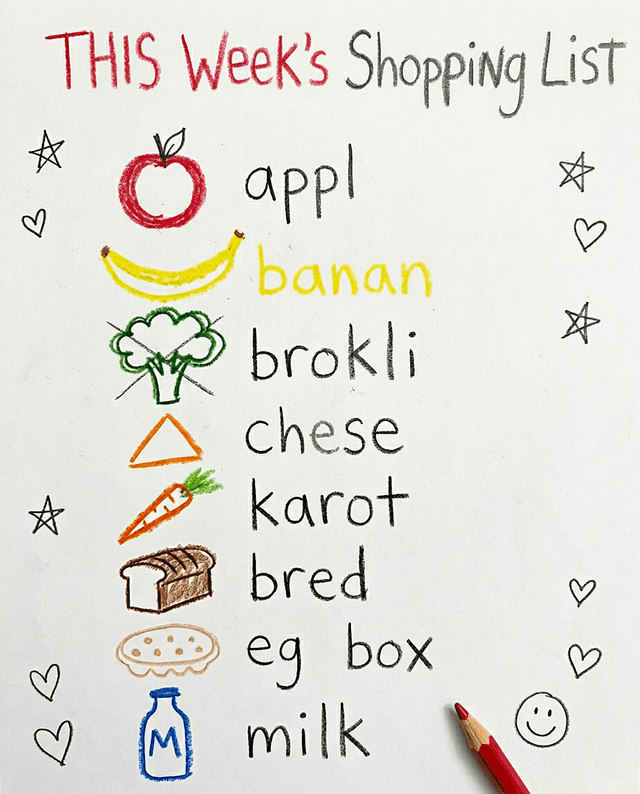
This is a slow, joyful hour where your child becomes the “family food designer” and you become their co-pilot. Together, you will first sit down to draw a colourful healthy food shopping list – turning fruit, vegetables, grains and proteins into characters, symbols or mini comics that feel playful and inviting instead of lecture-like.Once the list is ready, you’ll head out to the shop or market and bring that drawing to life: matching each sketch to real foods on the shelves, reading labels together and letting your child help make choices that fit your family’s culture, budget and routines.This activity turns an everyday chore into shared learning and laughter. Your child gets to feel seen and heard as the “expert” on what goes into the basket, while you hold the gentle structure around health, money and time. They are not just told what to eat – they experience autonomy, curiosity and pride in building a basket that nourishes everyone at home.For families, this can become a weekly ritual: a moment away from screens where hands are busy drawing, voices are busy wondering “why is this cereal different from that one?”, and hearts are quietly reassured by the simple act of being side‑by‑side. You leave not only with groceries, but with a shared story: “Remember the broccoli tree we drew?” “Remember how you found the beans with the shortest ingredients list?” – tiny memories that, over time, stack into a deep sense of togetherness.
Sugar-Free Party Cooking Ideas
Sugar-Free Party Cooking Ideas

Easter Egg Hunt at Blenhem Palace & Gardens
Tucked inside Blenheim Palace’s walled Pleasure Gardens, Adventure Play is a whole world built for families who like to do things together – not just watch from the bench. Sprawling tree-top walkways, tunnels, towers and zip lines invite children and grown‑ups to clamber, laugh and get properly involved, side by side. There are gentler zones for toddlers, bigger challenges for older kids, and plenty of “meet‑in‑the‑middle” spaces where siblings of different ages can still share the same game.Water play, giant carrots, oversized sunflowers and a winding play river turn the space into a story your child can step into, rather than a playground they simply pass through. As they splash, balance, wobble and race across the bridges, you get to join the adventure—helping them climb a little higher, daring them to one more go on the slide, or just sitting together watching the zip lines fly by. For little ones, a dedicated Boathouse toddler area means they can explore safely with you close enough for hugs and high‑fives, but far enough for them to feel their own bravery.Because Adventure Play sits within Blenheim’s wider gardens, the day naturally stretches beyond the play structures. A ride on the miniature train, a wander through the Marlborough Maze or a quiet moment in the Butterfly House gives everyone a chance to catch their breath and reconnect in a different rhythm. It’s the kind of outing where phones tend to stay in pockets, clothes tend to get a bit muddy, and you come home pleasantly tired—with shared stories that start with “remember when you…” rather than “remember what you watched?”.
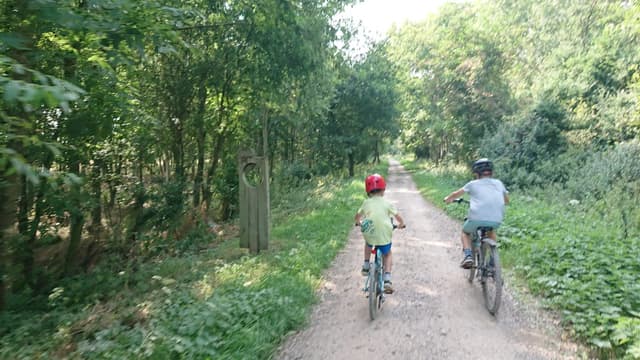
The Phoenix Trail - Traffic Free Cycling
The Phoenix Trail is a flat, traffic‑free greenway following a former railway line between the market towns of Thame and Princes Risborough, making it an easy, confidence‑building ride or walk for the whole family. Wide, well‑surfaced paths welcome bikes, scooters, pushchairs and wheelchairs, so siblings, grandparents and buggies can all move at the same relaxed pace. Sculpted wooden seats appear every few hundred metres, turning natural pauses for little legs into mini adventures where you can sit together, share snacks and simply look out at the open fields and big Chiltern skies.Because the trail is completely free from motor traffic along its main section, children can practise riding more independently while still feeling held within a clearly defined, car‑free corridor. The route is almost entirely level, so the outing becomes about being together rather than “getting up the hill,” which lowers the pressure for less confident cyclists or younger children on balance bikes. Along the way, families can spot the red kites that thrive in this landscape, listen for birdsong, and notice how the views change from town edges to open countryside and back again.Art is woven into the day: around 30 artworks and sculptural seats, created to reflect the old railway and the surrounding Chiltern scenery, are scattered along roughly five miles of trail. Children can turn these into a playful treasure hunt—“Which sculpture will we reach next?”—while parents enjoy rare stretches of unhurried conversation as everyone moves in the same direction together. With a welcoming market town at each end, you can book‑end the ride with a café stop, an ice cream, or a simple wander through the high street before heading back.Surfaces vary from tarmac out of Thame to firm compacted limestone further along, but remain suitable for family cycling and most pushchairs, with some steeper ramps where wheelchair users may need extra support. Access points, nearby car parks and a clearly way‑marked route make it a low‑admin, high‑connection kind of day: pack a simple picnic, choose how far you want to go, and let the gentle rhythm of wheels turning side by side create its own family story

Oxford Cristchurch Meadow Park
Oxford Cristchurch Meadow Park
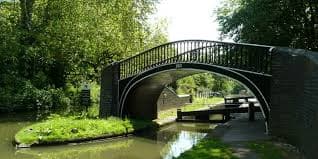
Oxford Canal Walk
Step out of everyday rush and into a slower rhythm together along the Oxford Canal, beginning just moments from Oxford’s station and city centre. As you join the towpath, the city quietly drops behind you: colleges give way to trees and bridges, and the water becomes the thread you all follow side by side.Families can keep it simple with a short, city-based wander or stretch things out towards Jericho, the Trap Grounds and Wolvercote, adding snacks, lock-watching and wildlife stops as energy allows. You’ll pass working locks, moored narrowboats that are very often people’s homes, and little pockets of unexpected green that feel surprisingly peaceful so close to the centre.Because the path is fairly narrow and shared with cyclists, this walk naturally invites small acts of teamwork – walking in a line, holding hands near the edge, calling out “bike behind” and checking on younger walkers. You can join and leave the route from several neighbourhoods (central Oxford, Jericho, Summertown side streets or Wolvercote) and, if you’re up for more, turn it into a mini adventure by looping back via Port Meadow and the Thames Path.

Wallingford Sports Park
Wallingford Sports Park

Waterperry Snowdrops Walk
Snowdrops at Waterperry are the gentlest way to say hello to spring together.Wandering through 20 acres of historic ornamental gardens in Oxfordshire, you and your child can follow carpets of delicate snowdrops and cheerful winter aconites that light up the old orchard and riverside walk.This isn’t a rushed day out; it’s a slow, absorbing wander where small discoveries – a cluster of double-flowered snowdrops, a new patch of colour, the sound of the river – naturally spark conversations and shared wonder.Because the gardens are open daily from 10:00–17:00, you can choose a time of day that suits your family’s rhythm, whether that’s a gentle mid-morning stroll with toddlers or a late-afternoon reset after a busy school day.The paths and open spaces invite children to notice, ask, and explore at their own pace, while you walk side-by-side rather than shoulder‑to‑shoulder with your to‑do list. You can round off your walk with something warm at the Teashop – a simple ritual that turns “just a walk” into a little seasonal tradition you come back to year after year.This Snowdrops Walk gives you ready-made prompts for connection: naming shapes and colours, spotting early signs of spring, wondering together how flowers survive the cold. It’s screen‑free, conversation‑rich time, where your child gets the message that their questions, observations and excitement deserve your full attention.For many families, this becomes one of those anchor memories: the place we go every year to see the first flowers of spring and just be together.
Holiday Art Classes by Art-K Oxford
Art-K’s children-only holiday workshops give your child a full or half day to dive into creativity with other young artists, looked after by trained teachers in a warm studio setting. In small groups, they work through a complete project from first sketch to final details, rotating across paints, clay, printing, mixed media and more so no two holidays feel the same. Each child chooses their project from a curated menu of options (like clay turtles or seascapes), then personalises it so every artwork is genuinely their own. The day is paced with breaks, social time and clear routines, creating a space that feels sociable and energising, but never rushed. They leave with paint on their sleeves, new techniques under their belt, and a finished piece that says, “I did this myself.”
Weekly Art Classes by Art-K in Oxford
Description pending